Why Plumbing Emergencies Happen More Often in NYC Buildings
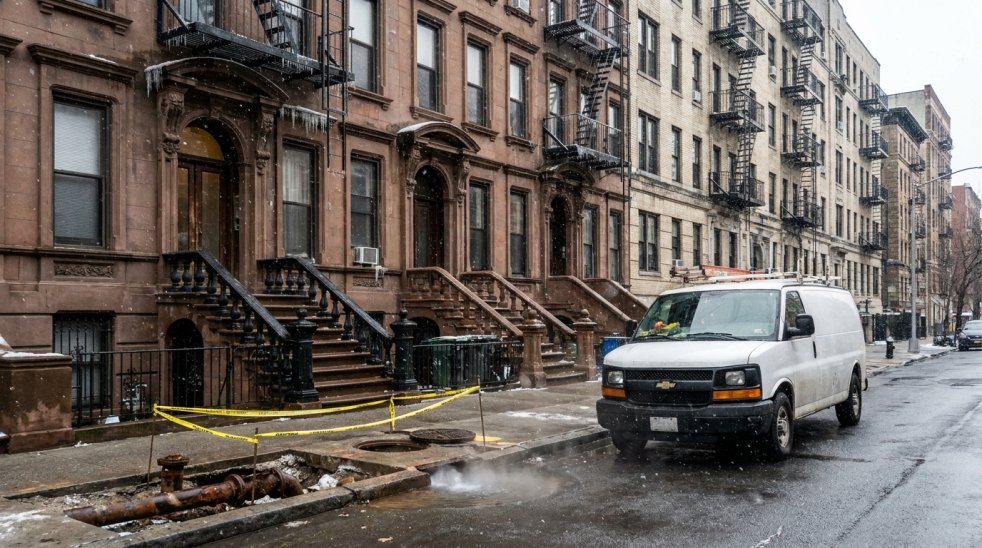
New York City buildings deal with plumbing emergencies at a rate that would surprise most homeowners outside the five boroughs. In a neighborhood like Hamilton Heights, where you have a mix of pre-war brownstones, older apartment buildings, and converted townhouses, the conditions that trigger plumbing failures are built right into the structure of the neighborhood itself.
Understanding why these emergencies happen so often is the first step toward preventing them.
The Age of the Infrastructure Is Working Against You
A large portion of buildings in Hamilton Heights were constructed between the 1890s and 1940s. That means the original plumbing systems are anywhere from 80 to 130 years old. Even pipes that have been partially updated often connect to original sections that were never replaced.
Older pipe materials commonly found in these buildings include:
- Galvanized steel, which corrodes from the inside out and gradually restricts water flow
- Lead pipes are still present in some supply lines in pre-1960s buildings
- Cast iron drain lines that have cracked, shifted, or collapsed over decades of use
- Clay sewer connections that are vulnerable to root intrusion and soil movement
When a pipe has been corroding quietly for 50 years, it does not give much warning before it fails.
Freeze-Thaw Cycles Hit NYC Plumbing Hard
Hamilton Heights sits in upper Manhattan, and winters here are no joke. Temperatures regularly drop below freezing from December through February, and the freeze-thaw pattern that repeats throughout the season puts serious stress on pipes.
Pipes located in exterior walls, unheated basements, and poorly insulated spaces are especially vulnerable. Water expands when it freezes, and that expansion can crack even a pipe that was in decent condition going into winter.
Warning signs that cold weather may be affecting your plumbing:
- Reduced water pressure after a cold snap
- Frost is visible on exposed pipes in a basement or utility room
- No water from a faucet on an exterior wall during cold weather
- Unusual sounds, like banging or cracking from inside walls, when temperatures drop
High Water Pressure in Urban Systems
NYC water mains operate at higher pressure than most suburban systems. That pressure is necessary to push water up into multi-story buildings, but it also accelerates wear on joints, valves, and older pipe materials.
Chronic high-pressure causes small leaks at connections, speeds up corrosion, and puts stress on fixtures that were never designed to handle it long-term. A pressure regulator can help, but many older buildings in Hamilton Heights do not have one, or have one that has not been serviced in years.
Dense Shared Systems Create Compounding Problems
In a single-family home, a plumbing problem usually stays contained. In a multi-unit brownstone or apartment building, one failing pipe can affect multiple floors and units. A clogged stack drain on the third floor backs up into units below it. A burst supply line on the top floor sends water cascading down through ceilings and walls.
This is one reason plumbing emergencies in NYC buildings tend to feel more severe. The systems are interconnected, and a failure in one part of the building puts pressure on everything around it.
Deferred Maintenance Turns Small Issues Into Emergencies
In a busy city, plumbing maintenance often gets pushed to the back of the list. A slow drain gets ignored. A dripping valve gets a towel placed under it. A minor leak behind a wall goes unreported because no one is sure whose responsibility it is.
By the time someone calls a plumber, what started as a minor issue has often become a full emergency. Deferred maintenance is one of the most consistent factors behind serious plumbing failures in Hamilton Heights and across upper Manhattan.
Common warning signs that should never be ignored:
- Slow or gurgling drains in multiple fixtures
- Water stains on ceilings or walls that appear and disappear
- A musty or sewage smell coming from drains
- Unexplained spikes in your water bill
- Discolored or rusty water from the tap
What You Should Do Right Now
If your building is older than 40 years and has never had a full plumbing inspection, that is the most important first step. A professional inspection can identify corroded pipes, pressure problems, and failing connections before they turn into a flooded basement or a burst pipe in the middle of January.
A few practical steps you can take immediately:
- Locate your main water shutoff and make sure it actually works
- Check exposed pipes in your basement for signs of rust, moisture, or mineral buildup
- Have your water pressure tested if you notice unusually strong flow from fixtures
- Schedule a drain inspection if you have recurring slow drains or backups
Get Ahead of the Next Emergency
Most plumbing emergencies in NYC buildings are not random. They are the result of aging materials, seasonal stress, high-pressure, and problems that were visible long before they became critical. The buildings in Hamilton Heights have character and history, but they also carry a real plumbing risk that deserves attention.
Glenn's Plumbing Services works with homeowners and building owners throughout Hamilton Heights and upper Manhattan. We understand the specific challenges these buildings present, and we provide honest assessments without upselling work that is not needed.
Call (929) 657-0643 to schedule an inspection or get a quote. Catching a problem early is always less expensive than dealing with an emergency.

-Logo.wine.svg)


